Direct heat bonding
Bonded to the container opening by a heated plate, by direct contact.
Product 05
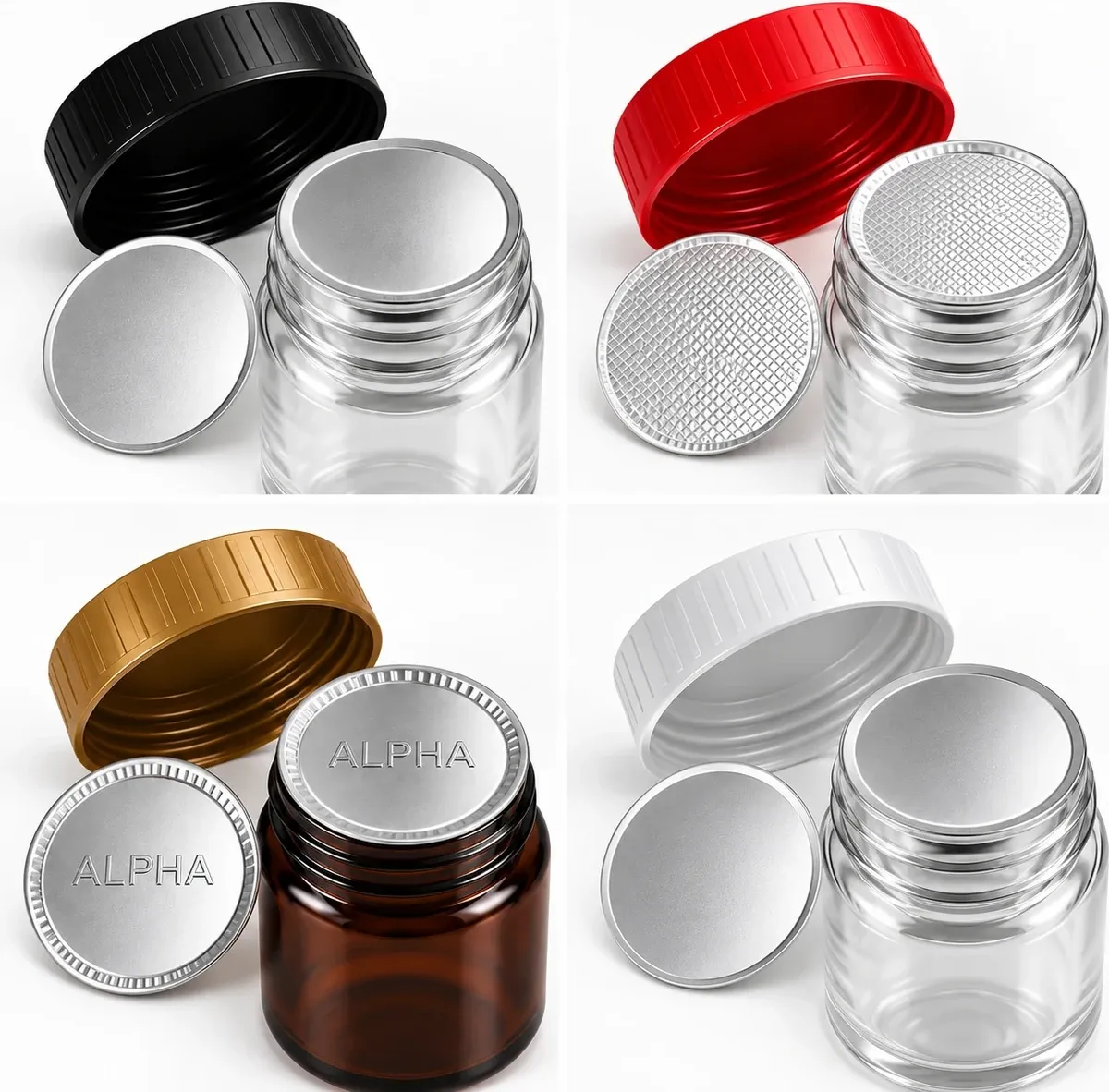
Overview
A conduction seal is bonded to the container opening by direct contact with a heated plate. Heat and pressure melt the liner's sealing layer onto the rim, creating a hermetic seal.
It is used on PET, glass, and plastic HDPE containers, and suits hazardous chemicals as well as dairy, cultured milk and soy-based drinks. The seal is tamper-evident and is not designed to reseal.
PET, glass, and plastic HDPE containers.
Need custom printing, a non-standard size or a different material? Include it in your quote request.
Send Your RequirementHow It Works
Conduction sealing uses direct contact: a heated plate presses the liner onto the container opening.
Read the sealing FAQsSTEP 01
The liner is placed on the container opening.
STEP 02
A heated plate presses down on the liner.
STEP 03
Heat and pressure melt the liner's sealing layer onto the rim.
STEP 04
The liner bonds directly to the container opening.
When to Choose It
Key Benefits
Bonded to the container opening by a heated plate, by direct contact.
Forms a hermetic seal across the container opening.
Available for PET, glass, and plastic HDPE containers.
A bonded seal that shows clearly if the container has been opened.
Applications
Both bond a liner to the container rim using heat. Induction sealing heats the liner's foil without contact, through the cap, using an electromagnetic field. Conduction sealing heats the liner by direct contact with a heated plate pressed onto it.
PET, glass, and plastic HDPE containers. Variants are available for each material.
No. It is a tamper-evident seal removed on first opening. If the container needs to reseal, look at the 2-Piece IHS or EPE Wads.
Other Options
01
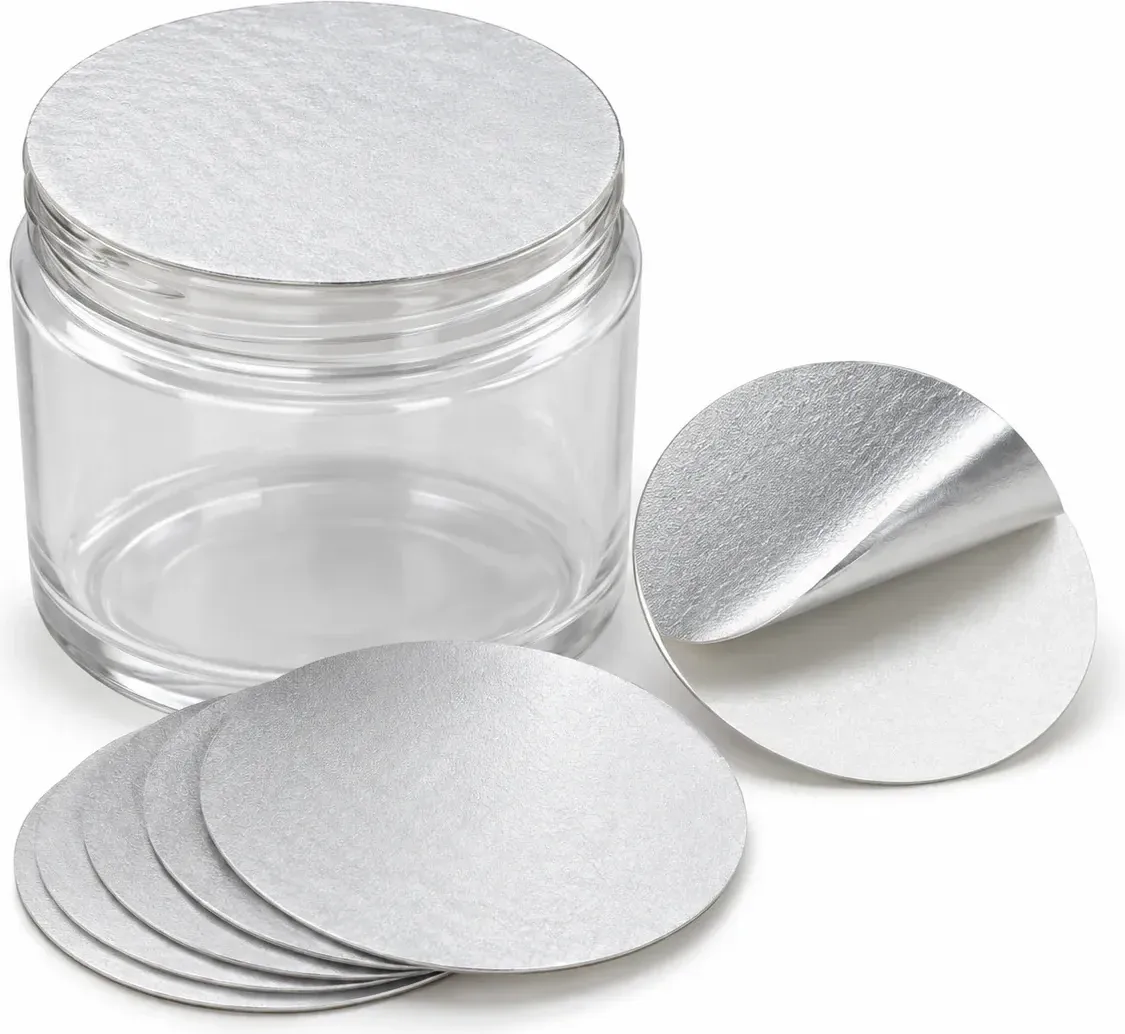
Single-use, tamper-evident, residue-free peel.
Explore Product06
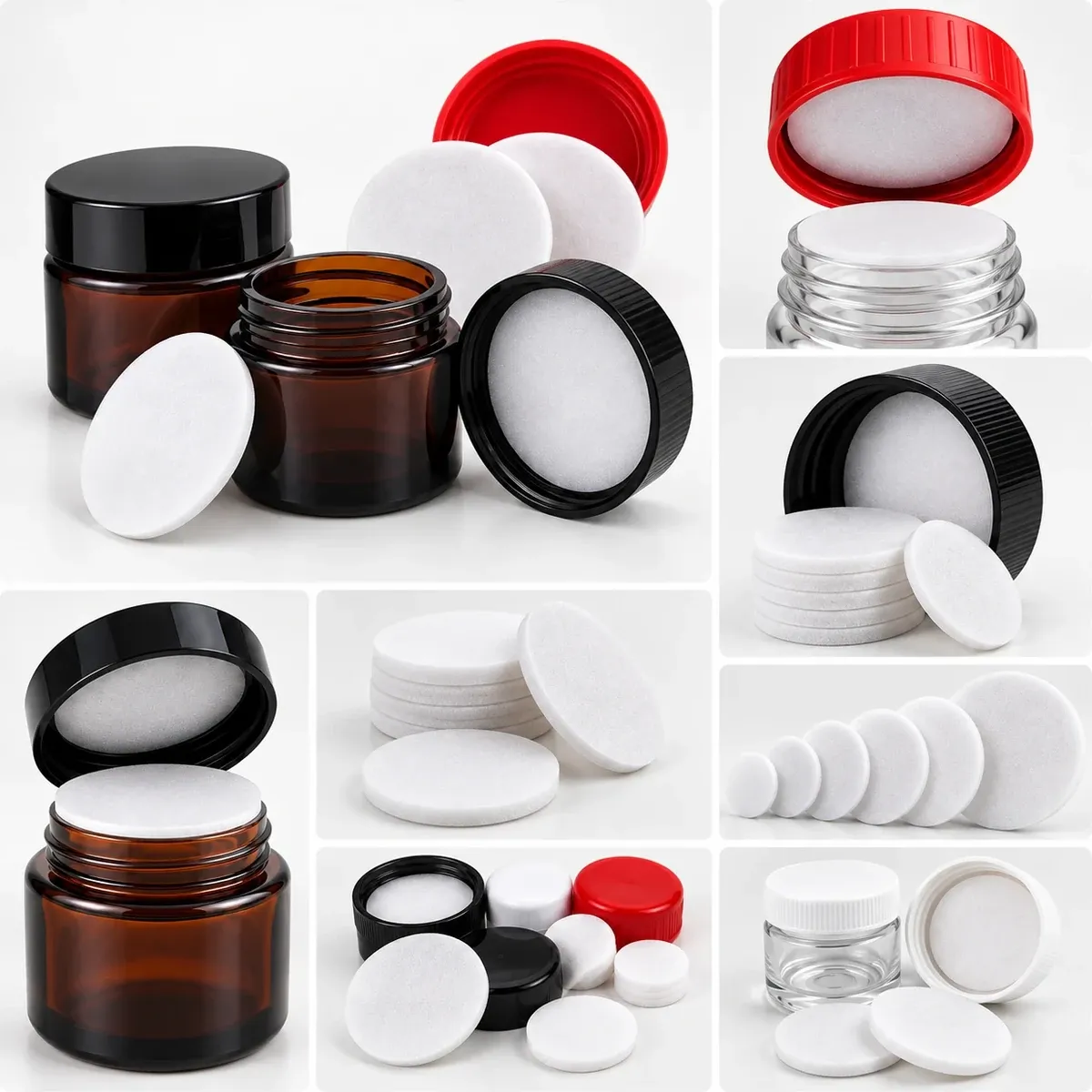
No heat required, compressible foam.
Explore Product02
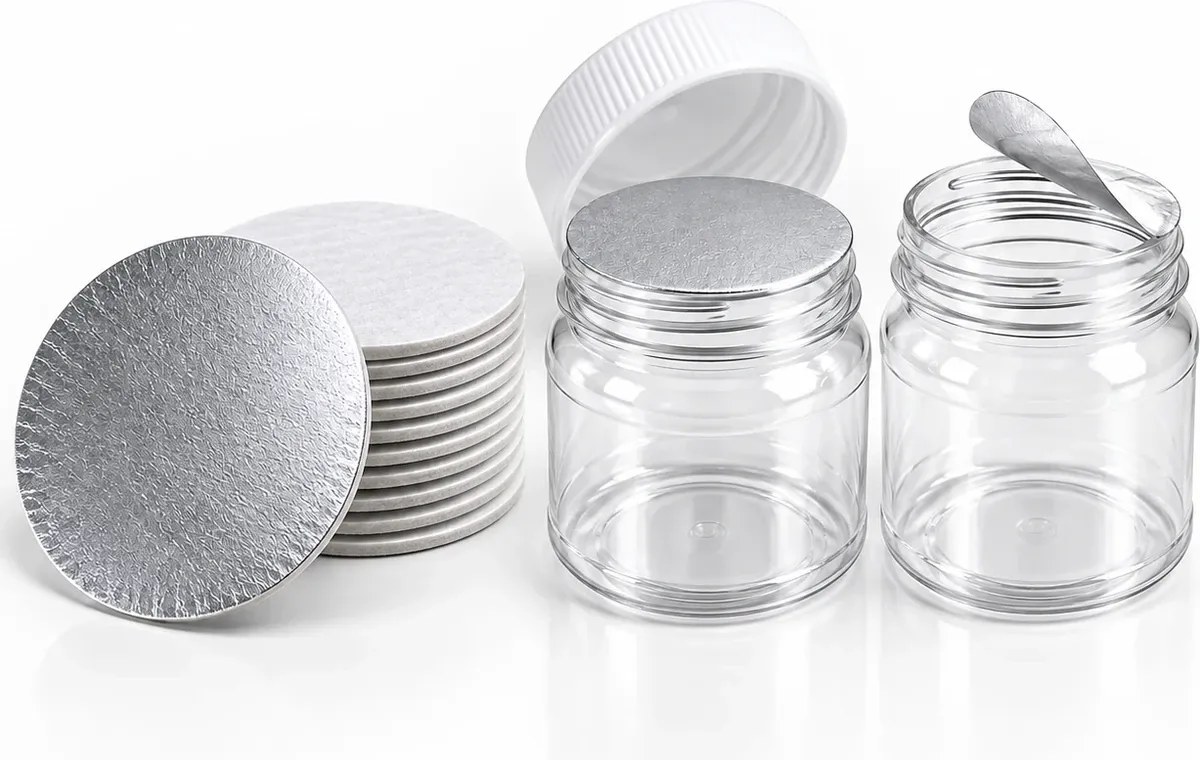
Resealable, dual protection with venting options.
Explore ProductNext step
Send us your container material, neck size, product and volume. Our team typically responds within 24 hours.